Română
  Русский
  English
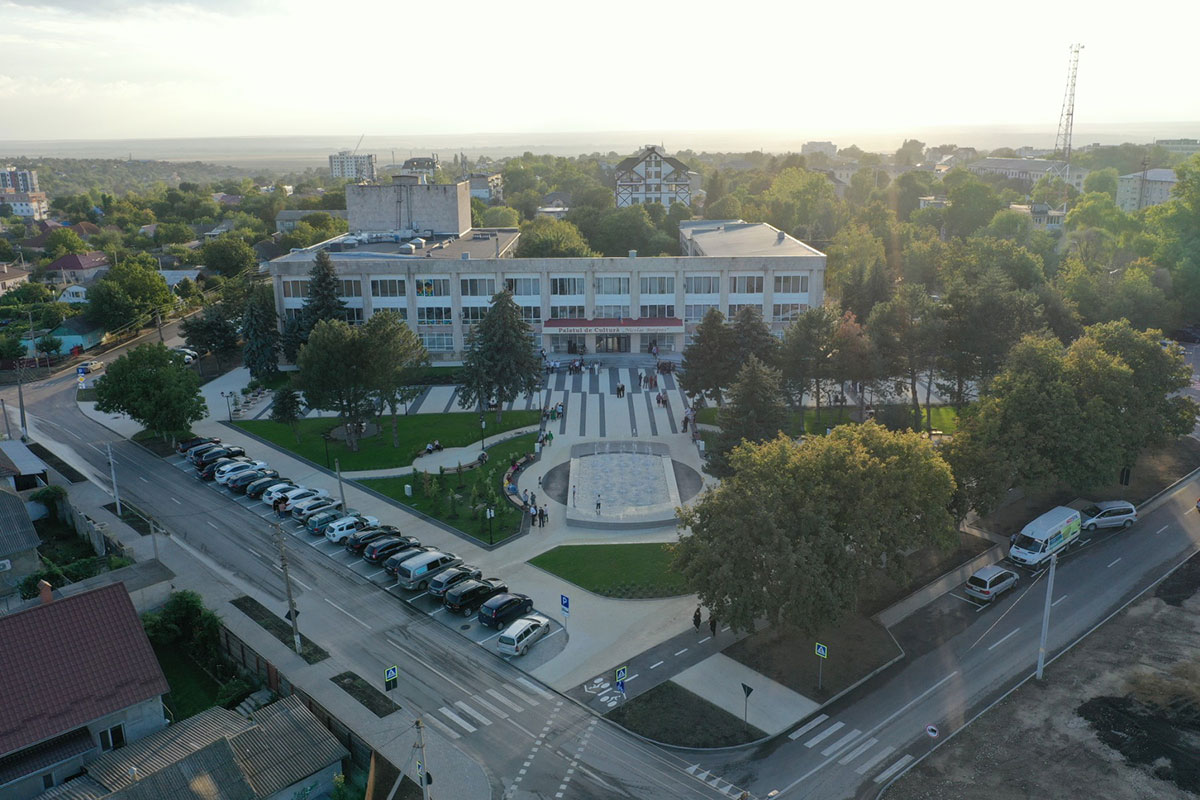
The primary goal of major renovations is to maintain the building's operational characteristics and prevent the premature end of its useful life and the need for reconstruction or demolition. This cyclical measure can eliminate signs of physical deterioration in the building, including partially or completely replacing internal utility systems and restoring the building's interior or exterior finishes.
In practice, major renovations to real estate most often involve reconfiguring the layout of premises and replacing interior finishes, provided these changes do not affect the building's key technical and economic performance.
When developing a project for major repairs of public buildings, it is necessary to amend the relevant sections of the design documentation based on the technical specifications prepared by the client, and to specify the list, type, and scope of work to be performed.
What types of major repairs exist, and what determines their classification?
So, major repairs of a facility can be:
emergency;
selective;
comprehensive.
They differ in the scope of work processes, completion timeframes, cost, and reasons for implementation.
Comprehensive Major Repairs
This option is used when it is necessary to restore or replace all worn-out and non-functional building elements, including utility equipment.
For comprehensive major repairs, the primary source of information is the Building Technical Inspection Report. Depending on the technical condition category, the degree of physical deterioration, and the presence of defects and damage, a decision is made on the type and scope of restoration work. If necessary, structural elements are repaired or reinforced, and utility systems, whose condition directly affects the safe operation of the building, are partially or completely replaced. Major repairs can also alter the building's architectural appearance and bring it up to date.
Comprehensive major repairs can be performed every ten years, replacing damaged structural components and utility systems, allowing the building to be maintained in good condition without significant capital investment.
It should be noted that a comprehensive major repair does not affect or alter the building's load-bearing structure. Extensions, superstructures, or partial dismantling of load-bearing structures are prohibited. Reinforcement is permitted only in the event of defects or damage, and if necessary to restore the structural performance, but not in the event of changes in the building's loads, as this would be considered reconstruction. This is the primary difference between major repairs and reconstruction.
Selective Major Repairs
This type of repair involves a series of works to restore or replace individual structural elements and a specific portion of utility systems. Selective repairs are performed when it is necessary to return the structure or its individual damaged parts to a standard condition without affecting the main building or suspending its operation.
For example, a building is in satisfactory condition. The list of identified defects is short, with localized structural damage detected during operation, and some utility systems are inoperative. To restore the building to its full operational characteristics, all identified deficiencies are corrected. This allows the building to return to its original operational functions.
Emergency Major Repairs
This type of major repair is performed when it is necessary to correct the consequences of significant defects that have led to the emergency condition of the entire structure or individual structures, which occurred as a result of prolonged operation in an aggressive environment without timely repairs, or due to a natural or man-made disaster. In this case, all damaged or inoperable structures and systems are restored, reinforced, or replaced, and the facility is brought back to standard without affecting its technical and economic performance.
All work is carried out exclusively in accordance with the prepared and approved design and estimate documentation. This documentation is developed based on the technical specifications received from the client. Design documentation is always developed based on the report on the technical inspection of the facility. With all the necessary permits and highly qualified specialists on staff, we can provide a comprehensive service, including the entire range of major building renovations.