Română
  Русский
  English
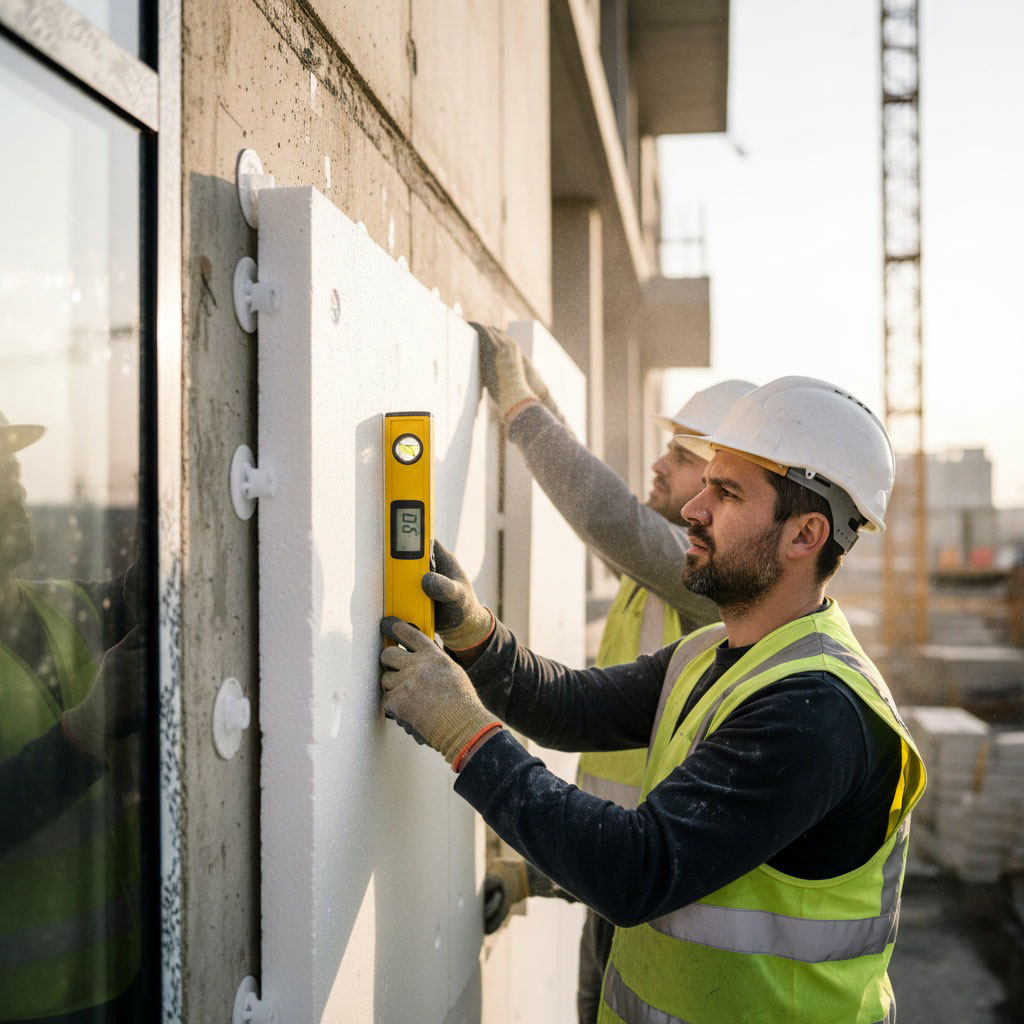
Before winter sets in, many people consider insulating their facades. This can improve the home's energy efficiency, reduce heating costs, create a comfortable indoor climate, and provide additional sound insulation.
To ensure the work is completed as quickly and efficiently as possible, it's best to seek professional help.
There are several insulation methods, and a specialist will advise you on the best one to use in your specific situation and help you select the right insulation material.
The choice of wall insulation depends on the conditions. Polystyrene foam: moisture protection, fire resistance, lightweight, and inexpensive. Mineral wool: inexpensive, durable, but absorbs moisture. Basalt wool: moisture-resistant, durable, and environmentally friendly.
Two common insulation methods are "wet" and ventilated façades. Both technologies can be used for both brick and panel buildings.
The structure of a wet façade includes:
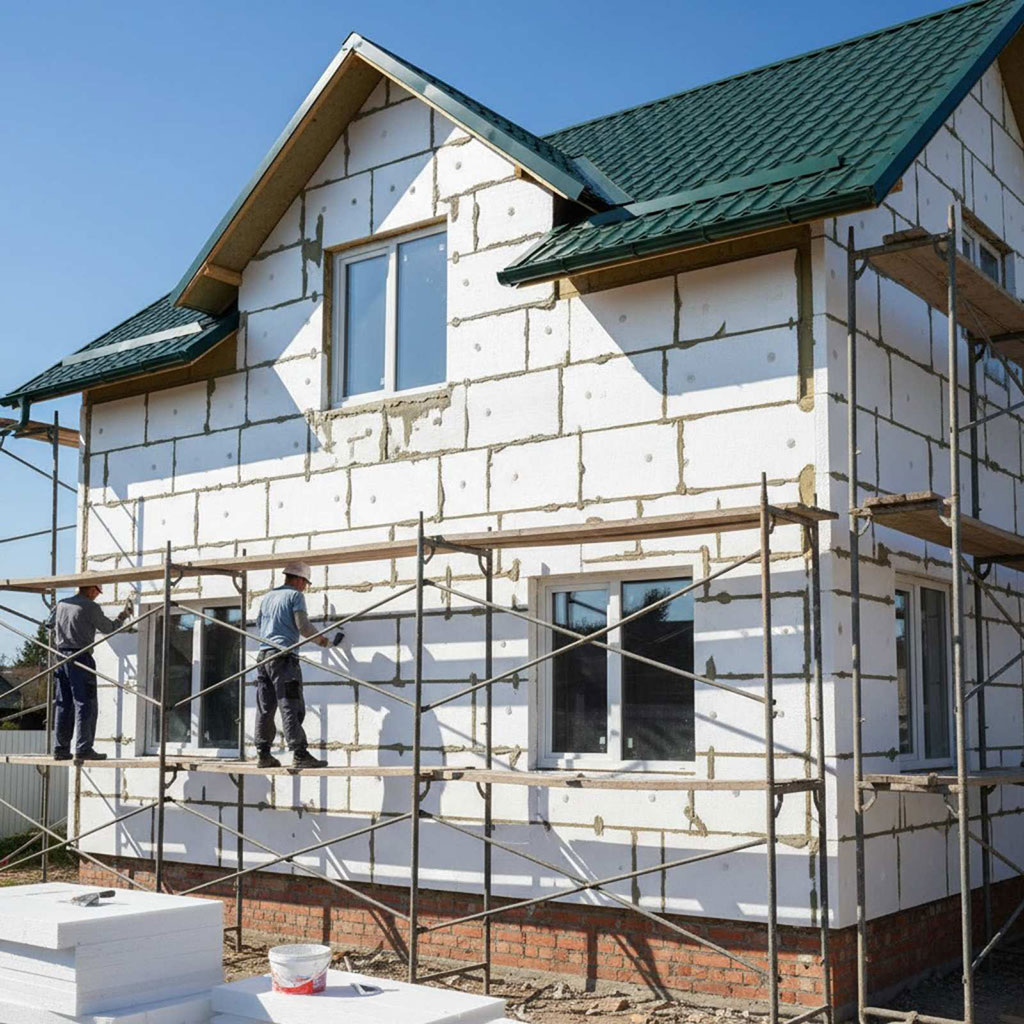
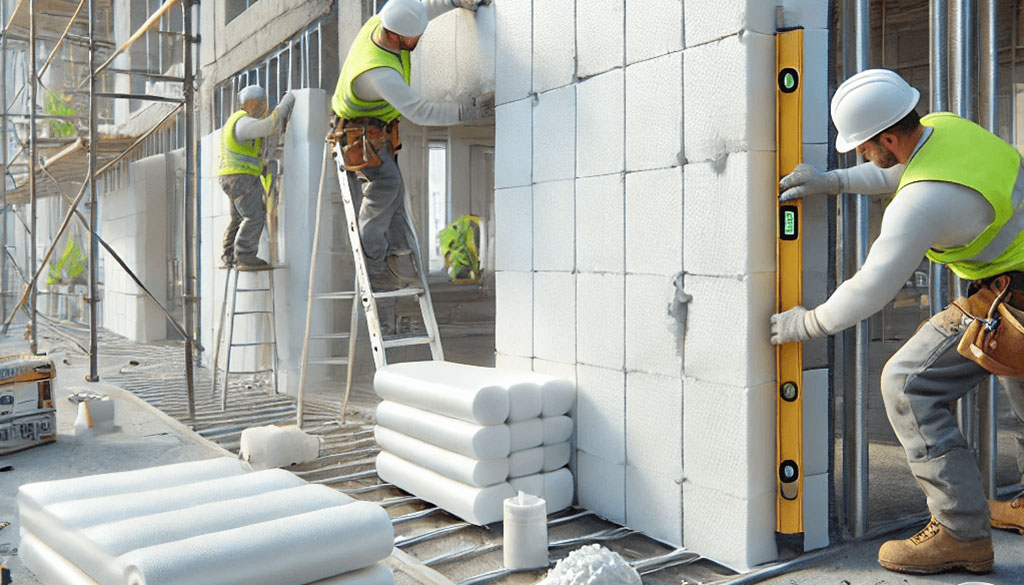
a thermal insulation layer – mineral wool, foam plastic, or expanded polystyrene;
reinforcement – plasterboard, secured with adhesive mortar;
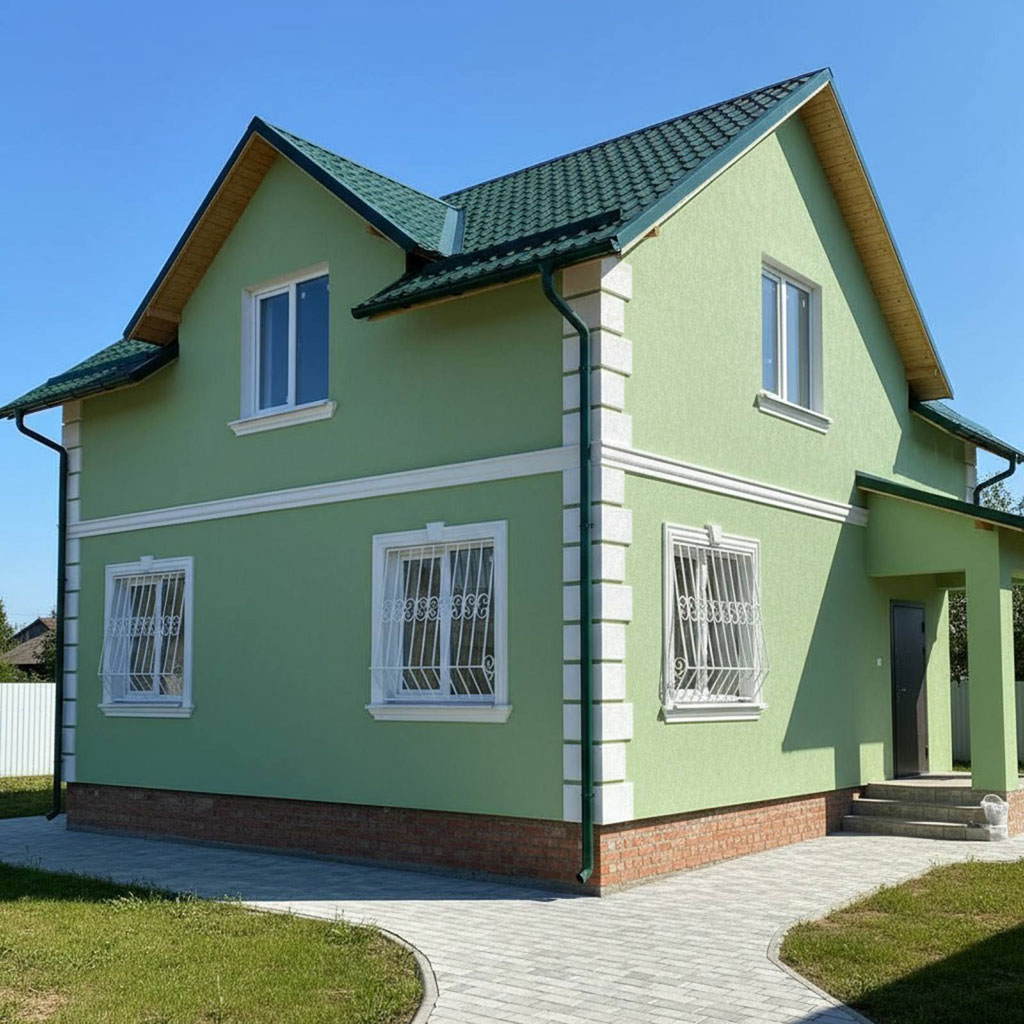
a decorative surface finish – decorative plaster and profiles are used.
The advantages of using the "wet façade" technology include quick installation, a high level of insulation, and minimal risk of efflorescence. This type of insulation is suitable for panel, prefabricated, monolithic, and brick buildings.
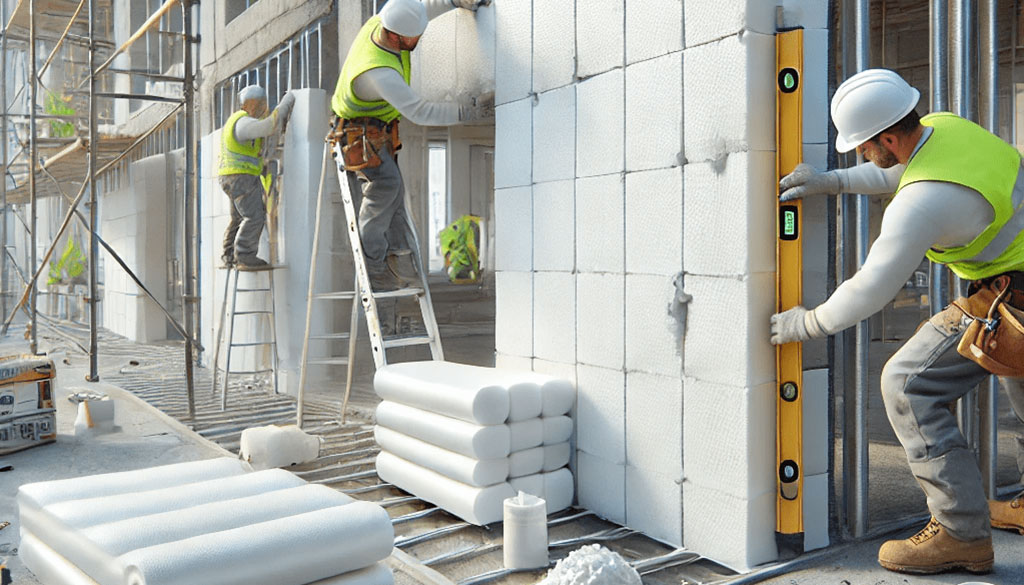
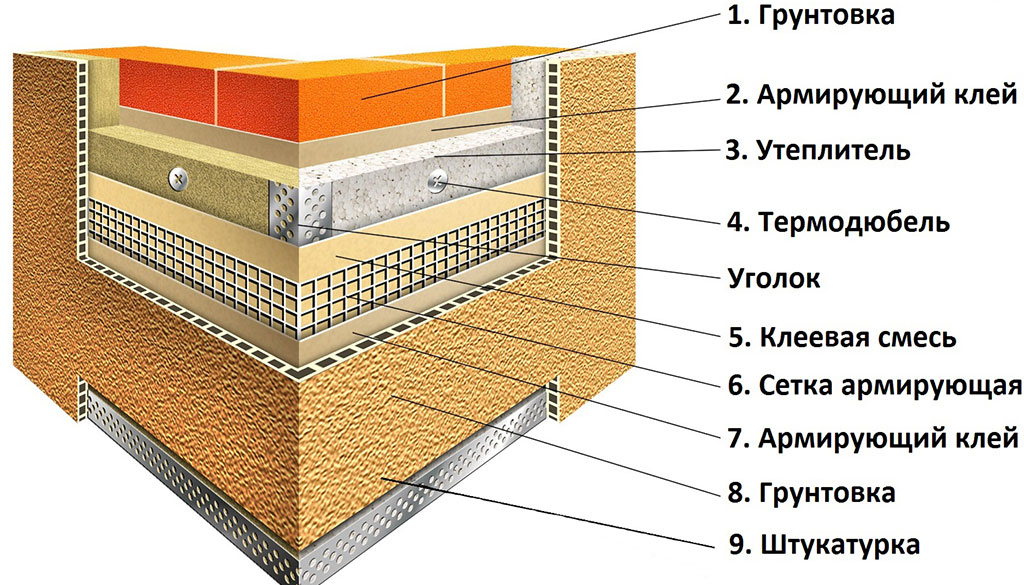
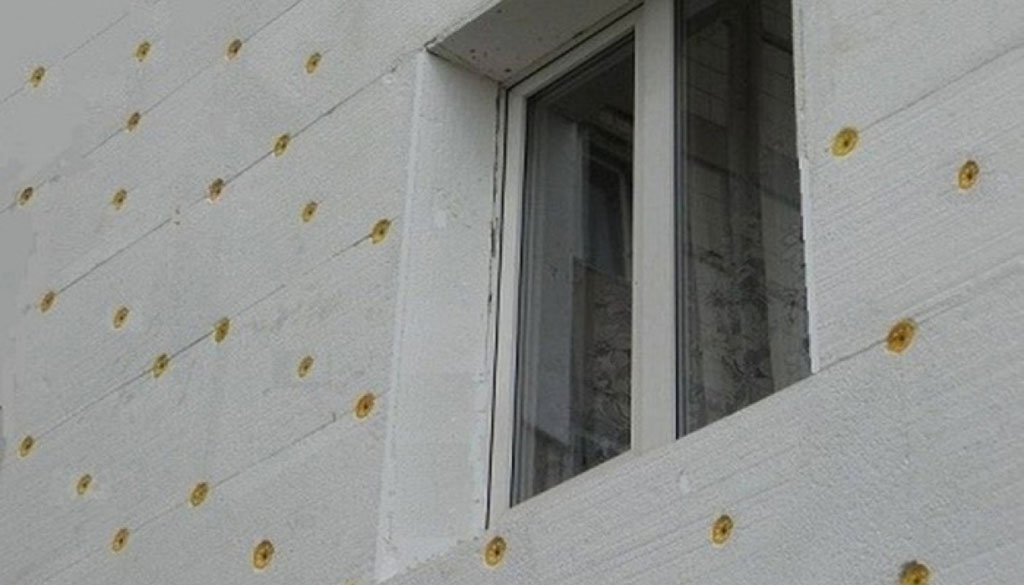
For external façade insulation, 2-3-layer thermal insulation structures are used. The top layer of plaster is not considered one of these layers. When choosing an insulation method, adhere to the following guidelines:
Brick, reinforced concrete, and block houses can be clad with any type of insulation;
Frame walls require three-layer insulation, with the insulation placed on the inside and surrounded by a ventilated or non-ventilated layer;
Wooden houses are insulated in 2-3 layers using an air gap to provide additional ventilation and reduce the risk of condensation;
Buildings made of aerated concrete require a ventilated and non-ventilated layer; they can be finished with brick cladding.
Building insulation can be started once all construction and renovation work has been completed, including roof installation, window and door openings. The foundation must be waterproofed and all utility lines secured beforehand.
The best time to install insulation is during a period of the year when temperatures remain above zero for extended periods (+5 to +25°C) and the air remains dry. Work should not be carried out if the weather forecast calls for rain or snow. The optimal time for installing insulation is early fall or late spring.